Longevity fitness in Malta means training your body to stay strong, mobile and independent for decades, not chasing a six-week look. It rests on four pillars: strength, cardiovascular fitness (VO2 max), recovery, and consistency over intensity. The research is clear that muscle mass and VO2 max are among the strongest predictors of how long, and how well, you live.
Here is the part most gym marketing skips. The reason to train is not the photo. It is being able to carry your own shopping at 75, keep up with your grandchildren, and recover from an illness because your body had something in reserve. That shift in motivation, from looks to life, is what longevity fitness is. And it changes everything about how you train, how often, and where.
Malta has the climate, the food and the social culture that longevity research keeps pointing to. What it has been short of is a place built around this idea. That is the gap. Let us walk through what the science actually says, and what it means for how you spend your time.
On this page: What it means · Why it matters with age · Strength · VO2 max · Recovery · Consistency · Why Malta · FAQs
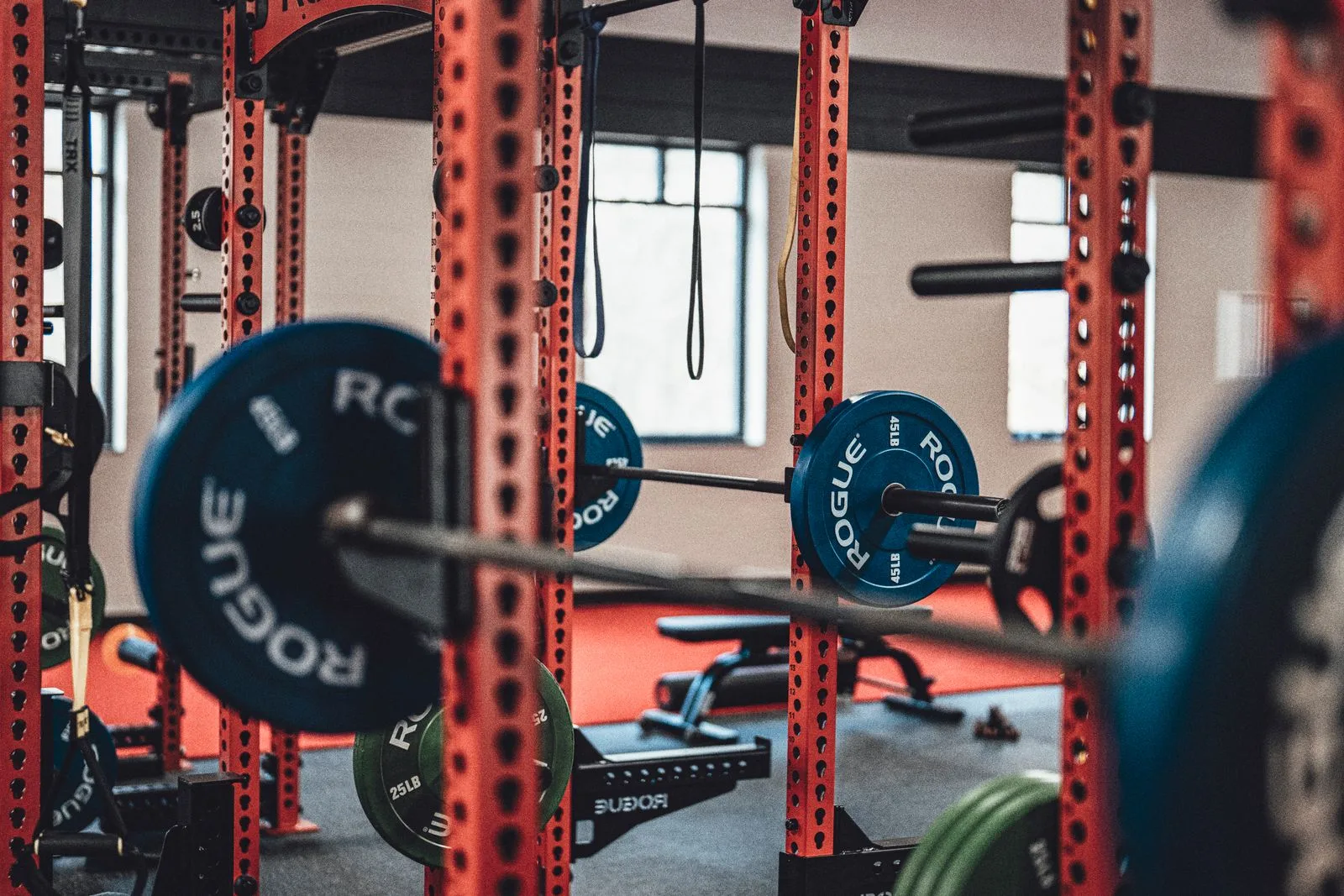 Longevity fitness is built on strength you keep for decades, not a six-week look.
What "Training for Longevity" Actually Means
Training for longevity means optimising your body for a long, capable, independent life rather than for short-term aesthetics or a personal record. The difference matters. A programme built around looking lean for summer falls apart the moment results plateau. A programme built around staying functional at 70 compounds, because the goal never expires.
There is a useful distinction here between lifespan and healthspan. Lifespan is how long you live. Healthspan is how many of those years you spend healthy, mobile and free of disease. Longevity fitness targets the second number. It is the practice of building a body that can still do what you love in your sixties, seventies and beyond.
In practice, that breaks down into four things that work together: strength training to hold onto muscle, cardiovascular work to build your VO2 max reserve, recovery to let adaptation happen, and consistency to make all of it stick. None of these is optional. The mistake most people make is picking one and ignoring the rest.
The good news is that none of this requires elite performance. The target is not a marathon time or a competition lift. The target is a body that works, sustained over years. Simple, not easy, but simple.
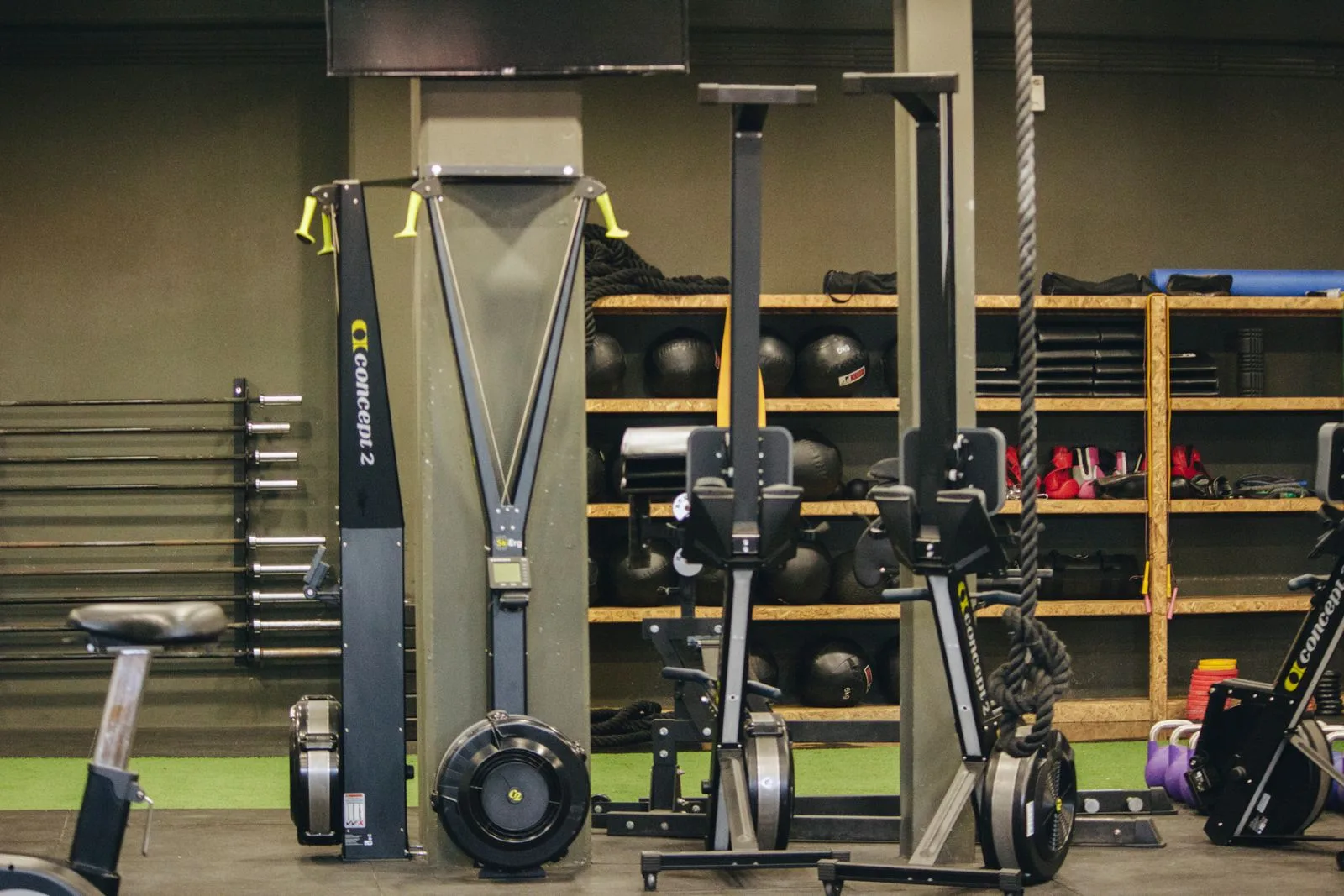 A self-directed open floor lets you run the full longevity routine on your own schedule.
Why Longevity Fitness Matters More as You Age
Longevity fitness matters more with every decade because the body stops maintaining itself for free. Muscle mass peaks in your mid-30s and then declines by roughly 3 to 8 percent per decade without intervention. That process has a name, sarcopenia, and left alone it quietly removes your strength, your balance and eventually your independence.
This is not a vanity problem. Muscle is increasingly described in longevity medicine as an organ in its own right. It regulates metabolism, protects your joints, and acts as a reservoir of amino acids your body draws on during illness or surgery. People who hold onto muscle and grip strength into their seventies have measurably lower rates of metabolic syndrome, type 2 diabetes and all-cause mortality.
The stakes get concrete with age. We lose fast-twitch (Type II) muscle fibres faster than slow-twitch ones, and fast-twitch fibres are what produce power, the ability to catch yourself when you stumble. Walking trains the slow-twitch fibres. It does not replace what you are losing. That is why cardio alone will not protect you from a fall.
For Malta specifically, this is not abstract. Around 28 percent of Maltese adults are classified as obese, among the highest rates in the EU, and the over-60 population is growing. The case for treating strength as a medical necessity rather than a hobby has rarely been stronger.
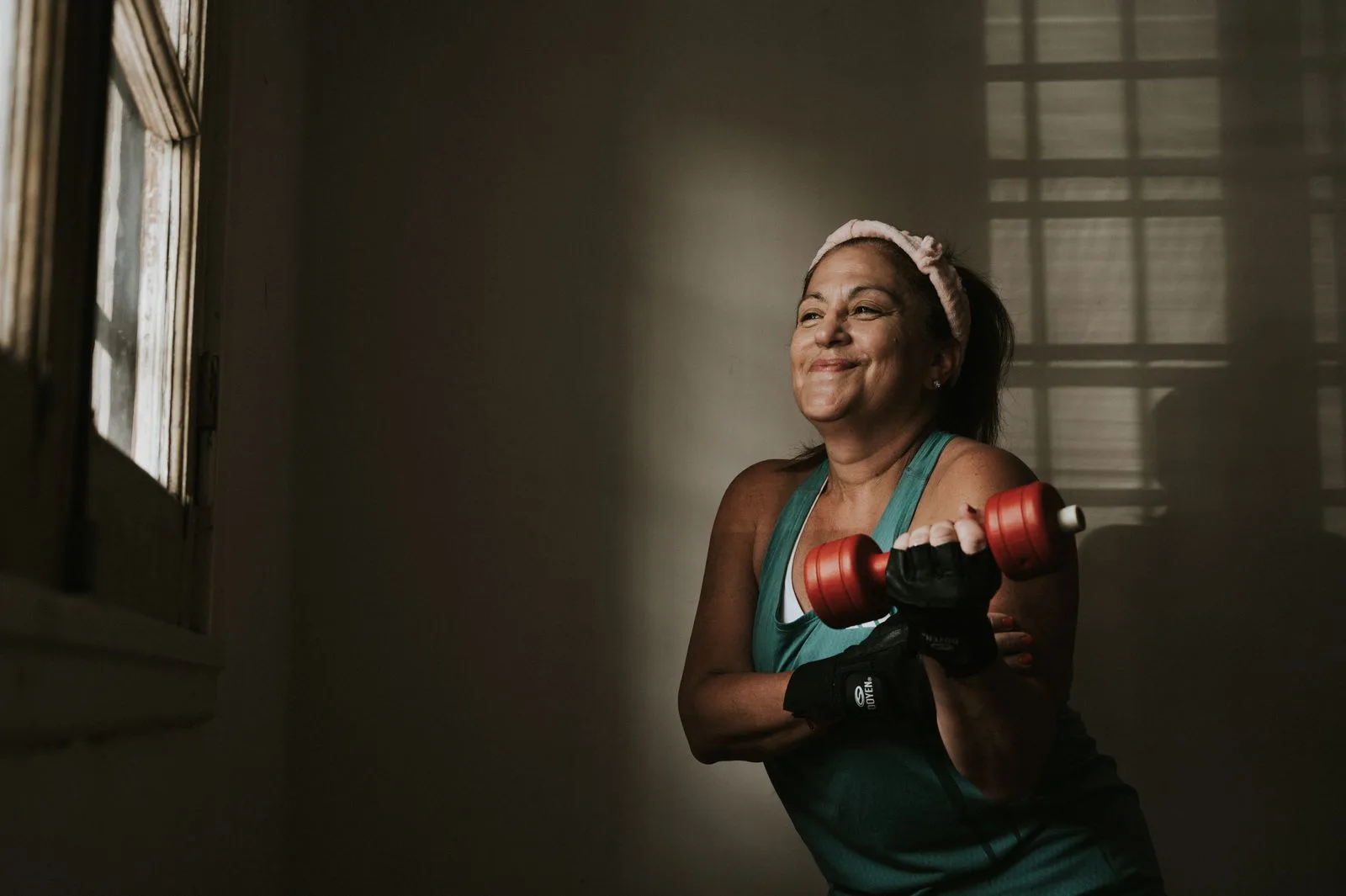 Resistance training is the single most effective countermeasure to age-related muscle loss.
Strength Training Is the Non-Negotiable
If you do one thing for longevity, lift. Strength training two to three times a week is associated with a 10 to 17 percent reduction in cardiovascular disease, cancer and all-cause mortality. No supplement, no diet trend and no wearable comes close to that return on a few hours a week.
The reason is the muscle-mass link covered above, but the practical takeaway is simpler than most people expect. You do not need to live in a gym. For most adults over 40, the minimum effective dose is two to three full-body sessions a week, built around compound movements: squats, presses, rows and hinges. These train multiple muscle groups at once and carry over directly into real life.
Two principles make it work. First, progressive overload, gradually adding weight or reps so the body keeps adapting. Second, recovery, leaving at least 48 hours between sessions that hit the same muscles. And you cannot out-train a low-protein diet. Muscle is repaired from the amino acids you eat, so adequate protein is part of the programme, not an extra.
This is exactly the kind of training an open gym suits. On a Technogym floor you can run a full strength circuit at your own pace, on your own schedule, without waiting for a class to start or a machine to free up. You decide what the session looks like. That autonomy is what keeps people coming back, and it is the core of the open gym versus class gym question for most working adults.
 VO2 max is cardiovascular reserve, the margin between what your body can do and what life demands.
VO2 Max: The Cardio Number That Predicts Your Lifespan
VO2 max measures how efficiently your body uses oxygen during exercise, and it is the single strongest predictor of all-cause mortality found in large-scale research. Being in the top fifth of VO2 max for your age is associated with a 40 to 50 percent lower risk of early death compared with the bottom fifth. That is not a small edge. That is the biggest single lever you have.
Think of VO2 max as cardiovascular reserve, the margin between what your body can do and what daily life demands of it. A person with high VO2 max has a wide margin to draw on during illness, injury or surgery. A person with very low fitness has almost none. The reserve matters most precisely when life gets hard.
VO2 max declines about 10 percent per decade in sedentary adults from the early 30s, but that decline is not fixed. In people who were sedentary and start training, VO2 max improves by 15 to 25 percent in most moderate programmes, and more with harder training. It is trainable at any age. One clinician compares it to a pension: you start contributing in your 30s and 40s so the reserve is there in your 70s.
Building it does not mean endless cardio. Intervals are efficient, short bursts of hard effort followed by recovery, layered on top of a base of steady-state work like rowing, cycling or brisk walking. The cardio-versus-weights debate is a false war. You need both.
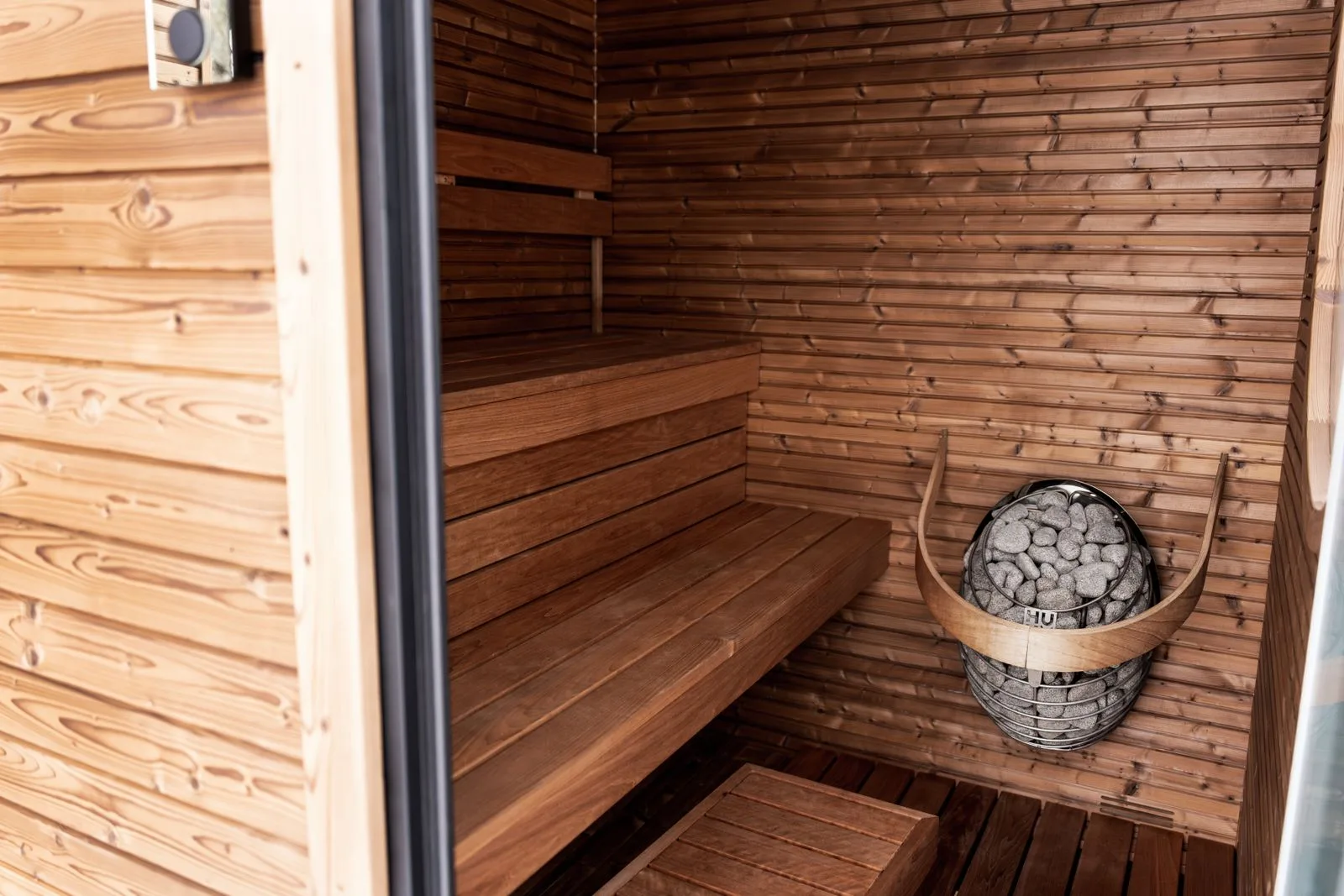 Regular sauna use has some of the longest-running data in exercise-adjacent research.
Recovery Is Half the Workout (And the Sauna Has the Data to Prove It)
Recovery is not what you do after training. It is the phase in which training works. The muscle is not built during the lift, it is built in the hours and days after. Skip recovery and you blunt the result of every session you grind through. Most gyms treat this as an afterthought, and it shows in their members.
Sleep is the foundation. Sleeping fewer than seven hours a night directly impairs muscle protein synthesis, the exact process strength training relies on to produce results. Train hard and sleep badly and you are doing measurably less effective work. Rest days are not lost days. They are when adaptation happens.
Then there is the sauna, which is far more than a perk. Finnish cohort research following participants for 20 years found that regular sauna use, four or more sessions a week, is associated with a 40 percent reduction in cardiovascular mortality risk compared with once a week. Regular users also showed a 61 percent lower risk of fatal stroke. This is cardiology, not alternative wellness, and almost no Malta gym talks about it.
This is why a recovery suite belongs in the floor plan, not stuck in a corner. A sauna, a pool for cool contrast, a jacuzzi and space to stretch turn recovery from a chore into the part of the visit you look forward to most. For overworked professionals, that half of the equation is often where the real value lives. You can see how the recovery side of the club is laid out before deciding whether it would change how you train.
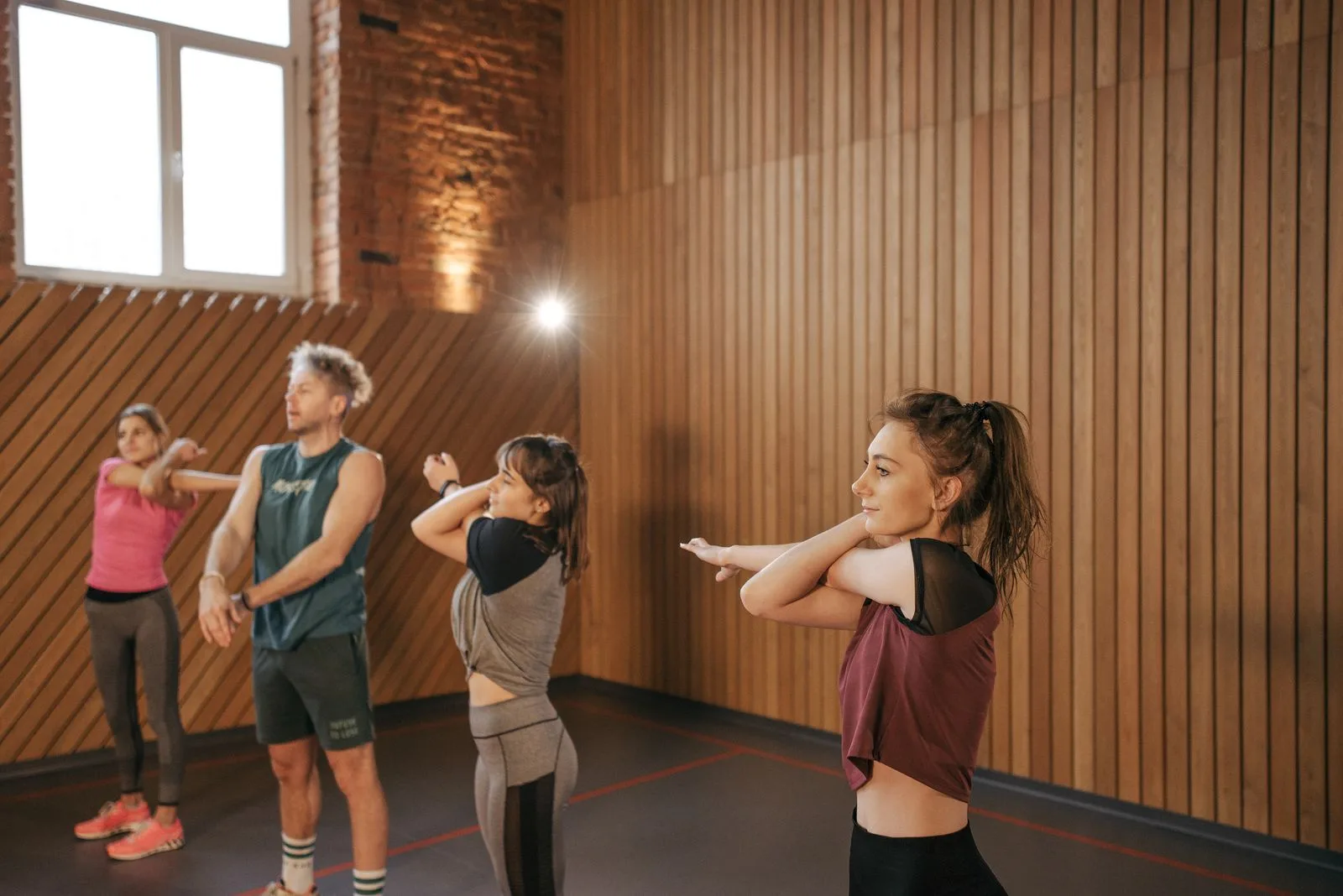 Recovery is the other half of the workout, not an optional extra stuck in a corner.
Consistency Beats Intensity, Every Time
The workout you show up to at 70 percent effort beats the one you skip because you were not feeling 100 percent. Three consistent sessions a week, sustained over years, outperforms seven intense sessions followed by three weeks of burnout. This is not a permission slip to coast. Consistency is the standard, and it is harder than intensity, not easier.
The evidence backs this up. Open, self-directed gym formats show higher 12-month retention among adults over 35 than class-based memberships, largely because schedule conflicts are the main reason people quit. Roughly 80 percent of gym memberships sit unused by mid-February after New Year sign-ups. That is not a failure of willpower. It is a failure of design.
Environment beats motivation. People who join the right environment with modest motivation out-perform people with strong motivation in the wrong one. The hard part of fitness is rarely the gym itself, it is the decision to go, and good design quietly removes that friction: open hours, no booking, quick in and out. Design is a choice somebody makes, which is why it is worth reading what a club is actually built around before you judge it on its equipment list.
There is also a social dimension that the data takes seriously. Social isolation carries a 50 percent increased mortality risk, equivalent to smoking 15 cigarettes a day. People who train in a social environment, where there are familiar faces, are significantly more likely to keep the habit. Connection is not a soft benefit appended to fitness. It is a health metric, and it is one Malta is unusually good at.
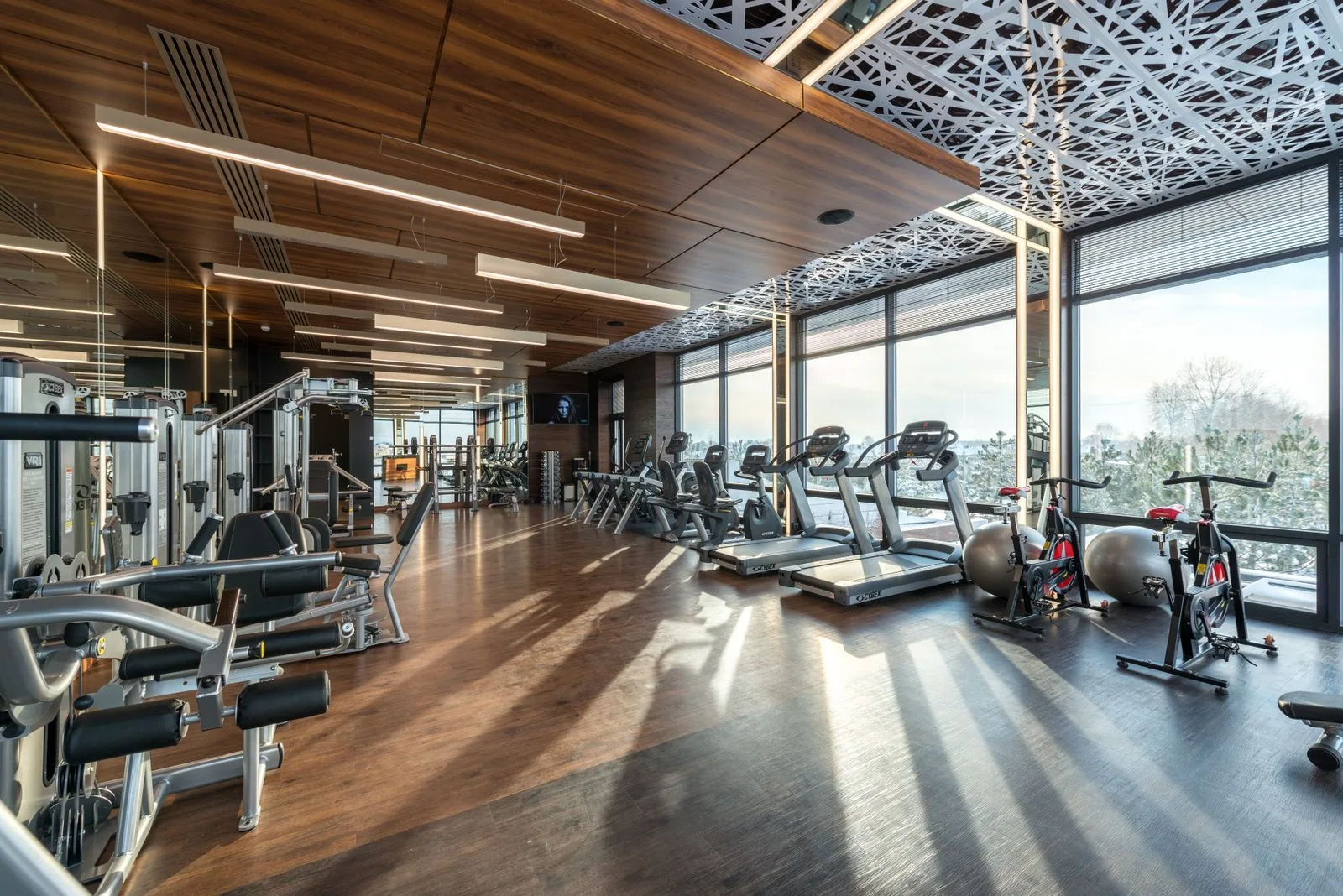 The right environment removes the friction that usually stops people from staying consistent.
Why Malta Is Built for Longevity Fitness
Malta already holds most of the cards longevity research keeps dealing. The Mediterranean diet, social connection, purposeful movement and community are the four most consistent predictors across the Blue Zones, the regions where people live longest. Malta has the food, the climate and a social density most northern European cities would envy. What it has lacked is the infrastructure built around this idea rather than around January resolutions.
The social piece is a genuine advantage, not a backdrop. On an island of around 520,000 people, a gym is not anonymous. You will see colleagues, neighbours and friends of friends. For the right kind of club, that is the feature, not the bug. Community that takes real work to build in a colder, more spread-out city happens here almost by default.
Location matters too. Valletta is Malta's economic centre, full of professionals with demanding schedules, constrained lunch breaks and a real interest in quality. They do not want to drive to a suburban gym. They want to walk from the office, train, recover and be back at their desk. A site steps from the Valletta City Gate, in the Grand Hotel Excelsior in Floriana, turns a 45-minute window into a complete session rather than a logistical problem. Directions and the walk from the bus terminus are set out in full if you want to check that against your own working day.
Put it together and the model writes itself: an open gym in Malta on your timetable, a recovery suite built into the visit, and a members-only scale that stays social without ever feeling crowded. That is what longevity fitness looks like when a place is actually designed for it.
FAQs About Longevity Fitness in Malta
What is the best exercise for longevity?
There is no single best exercise, but the research points clearly at two pillars: strength training and cardiovascular work that builds VO2 max. Strength training two to three times a week preserves the muscle mass tied to lower mortality, while cardio builds the oxygen-use reserve that is the strongest single predictor of how long you live. Recovery, including sleep and sauna use, lets both produce results. The best programme combines all of them consistently rather than maxing out any one.
How often should I work out for longevity, not performance?
For longevity rather than performance, two to three full-body strength sessions a week plus around 150 minutes of moderate cardio is the target most guidelines and research converge on. That total reduces all-cause mortality risk by roughly 31 percent compared with being inactive. You do not need to train every day. Consistency over years matters far more than intensity in any single week, and adequate recovery between sessions is part of the programme, not a break from it.
Is it too late to start strength training in my 40s or 50s?
No. Decades of research show strength training improves muscle mass, mobility and function at any age, including in adults in their 70s and beyond. Resistance training is the single most effective countermeasure to age-related muscle loss, and VO2 max improves by 15 to 25 percent even in people who were previously sedentary. Starting earlier compounds the benefit, but the most encouraging finding in the field is that it is genuinely never too late to begin.
Does sauna use really help you live longer?
The evidence is strong. A 20-year Finnish cohort study found that using a sauna four or more times a week was associated with a 40 percent lower risk of cardiovascular death compared with once a week, plus a 61 percent lower risk of fatal stroke. The heat raises heart rate and improves blood vessel function in ways that partly mimic moderate exercise. It is best used alongside training, not instead of it, and it is not suitable for everyone, so check with a doctor if you have a heart condition.
What makes longevity fitness different from a normal gym routine?
A normal gym routine usually optimises for a short-term goal, a summer look or a personal record, and treats recovery as optional. Longevity fitness optimises for staying strong, mobile and independent for decades, which changes the priorities: strength becomes non-negotiable, VO2 max becomes a number worth tracking, recovery becomes half the work, and consistency beats intensity. It also takes social connection seriously, because loneliness carries a measurable mortality risk that the right environment helps offset.
Where can I train for longevity in Malta?
You want a place built around the full equation rather than just a weights floor: a self-directed open gym you can use on your own schedule, quality equipment, a recovery suite with sauna and pool, and a social atmosphere that keeps you coming back. In Malta, that combination sits in the Valletta area at Pulse Wellness Club, in the Grand Hotel Excelsior in Floriana, steps from the City Gate. The deciding factor is whether the environment removes the friction that usually stops people from staying consistent.
Come See the Space
If any of this sounds familiar, the stop-start pattern, the gym that felt wrong, the membership you feel guilty about, the most useful thing you can do is see the space rather than read about it. Pulse Wellness Club in Floriana is an open gym, recovery suite and social club built around exactly this idea: training for a long, capable life, on your schedule, in good company. Come for a look, not a hard sell. Just see whether it fits the way you actually live. We are open 7am to 9pm, every day. The first visit is usually the one that takes the longest to make.
Book your visit to Pulse Wellness Club → pulsewellness.com
The first step is usually the one that takes the longest.
— Pulse Team
Sources
- Kodama S. et al. (2009), cardiorespiratory fitness and all-cause mortality, JAMA.
- Laukkanen T. et al. (2015), sauna bathing and cardiovascular and all-cause mortality, JAMA Internal Medicine.
- Holt-Lunstad J. et al. (2015), social relationships and mortality risk, Perspectives on Psychological Science.