In an open gym you train whenever you arrive, on your own schedule, with no class to book. A class gym gives you a set time, an instructor and a group to keep up with. Open gym vs class gym in Malta comes down to one thing: which format actually keeps you coming back. For most professionals, that's autonomy, not a timetable.
You have probably joined a gym before. You may have joined one this year. The question is not whether you can afford it or whether the equipment is good. The question is whether you go. That is the only metric that matters, and it is the one most comparisons skip straight past.
So let's not pretend there's a single right answer. There's a right answer for you, your week and the way your life actually runs. This piece compares open gym and class-based gym honestly, across the things that decide whether you stick with it: flexibility, cost, results, community and the part nobody talks about, recovery.
On this page: The difference · Flexibility · Cost · Results · Community · Beginners · Recovery · FAQs
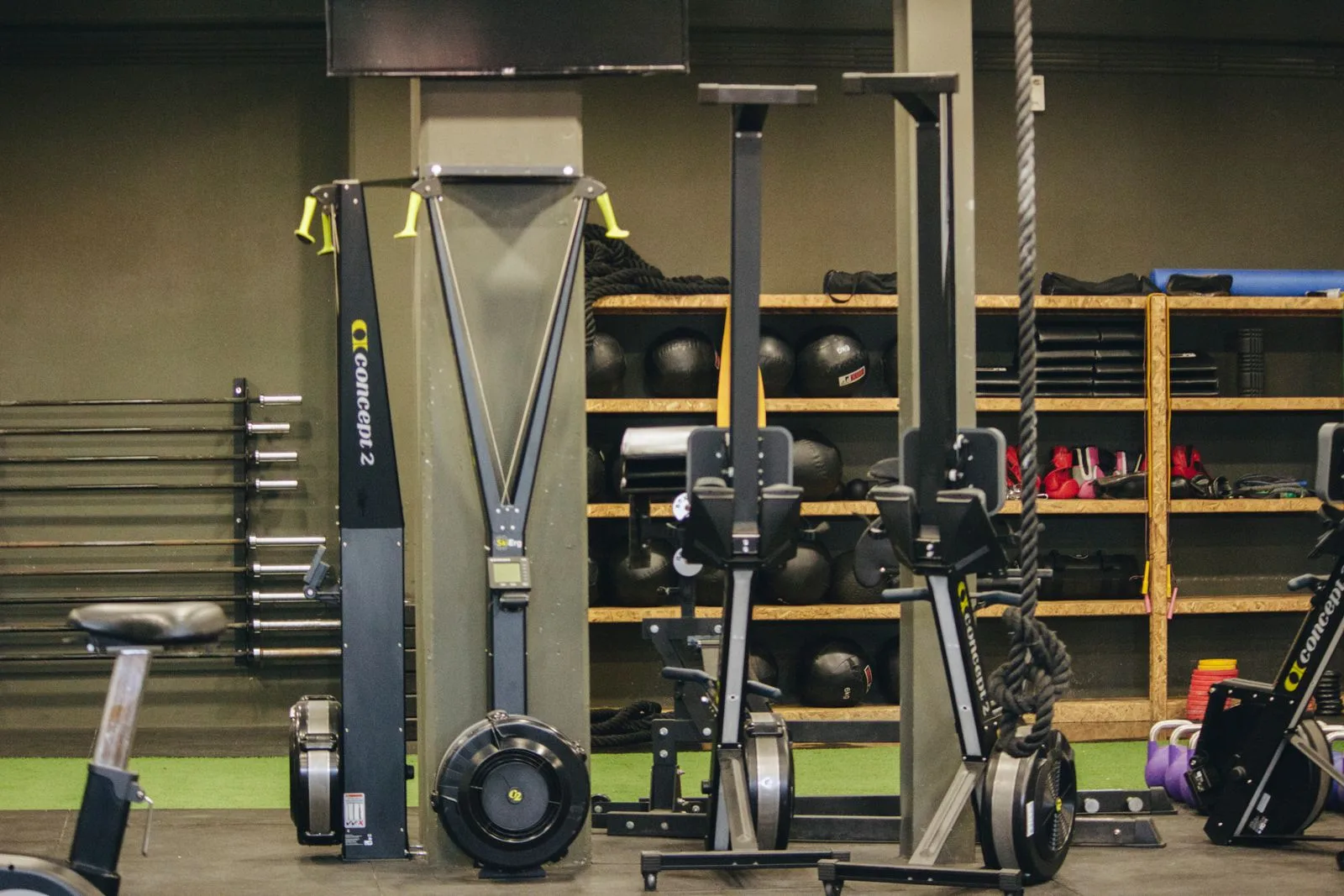 An open floor you can use on your own schedule, at your own pace.
Open Gym vs Class Gym: What's Actually Different
An open gym is self-directed. You walk in when it suits you, use the equipment freely, and decide what the session is. Forty minutes of strength on Monday. Fifteen minutes of stretching and a sauna on Wednesday because you're wrecked. Both count. Nobody is waiting on you and nobody is rushing you.
A class gym runs on a schedule. You book a slot, an instructor leads, and the group moves together. The structure is the product. You don't decide the workout; the timetable does. For some people that removes friction. For others it adds it.
Here is the honest comparison, the way you'd want a friend to lay it out:
| What matters | Open Gym | Class Gym |
|---|---|---|
| Schedule | Train any time you're open, no booking | Fixed class times you book in advance |
| Pace | Yours: rest, repeat, leave when done | The room's: you keep up or fall behind |
| Cost model | Flat fee, unlimited access | Per-class or limited packs |
| Guidance | Self-directed, optional 1:1 sessions | Instructor-led every session |
| Community | Familiar faces, organic | Built into the class group |
| Best for | Professionals, irregular hours, autonomy | Beginners who want structure and accountability |
Bottom line: if your week is predictable and you want someone else to run the session, classes work. If your week is unpredictable and you want control, an open gym in Malta fits the way you actually live.
 Self-directed training means the session is yours to shape.
Flexibility: Training on Your Schedule, Not Theirs
This is where the open gym wins outright for most working adults. A class at 7pm on Tuesday assumes your Tuesday ends at 6:30. Plenty of Tuesdays don't.
Take Elena, a financial services professional in Valletta. For 18 months she'd been saying she needed to sort her fitness out. She tried a class gym near Sliema in 2023. The drive after work killed it within two months. What she needed wasn't more discipline. It was a space she could walk to on foot, train in for the 40 minutes she had, and leave without feeling she'd wasted the trip.
That's the structural advantage of open access. A class format works for the 28-year-old on a fixed 9-to-5. It does not work for a 40-year-old in a management role with school pickup and a calendar that changes by the hour. Open gym's asynchronous availability isn't a soft perk. It's the difference between going and not going.
At Pulse Wellness Club the floor is open 7am to 9pm, every day. That's 98 hours a week with no blackout periods. You don't plan your life around the gym. The gym is just there when your life leaves a gap.
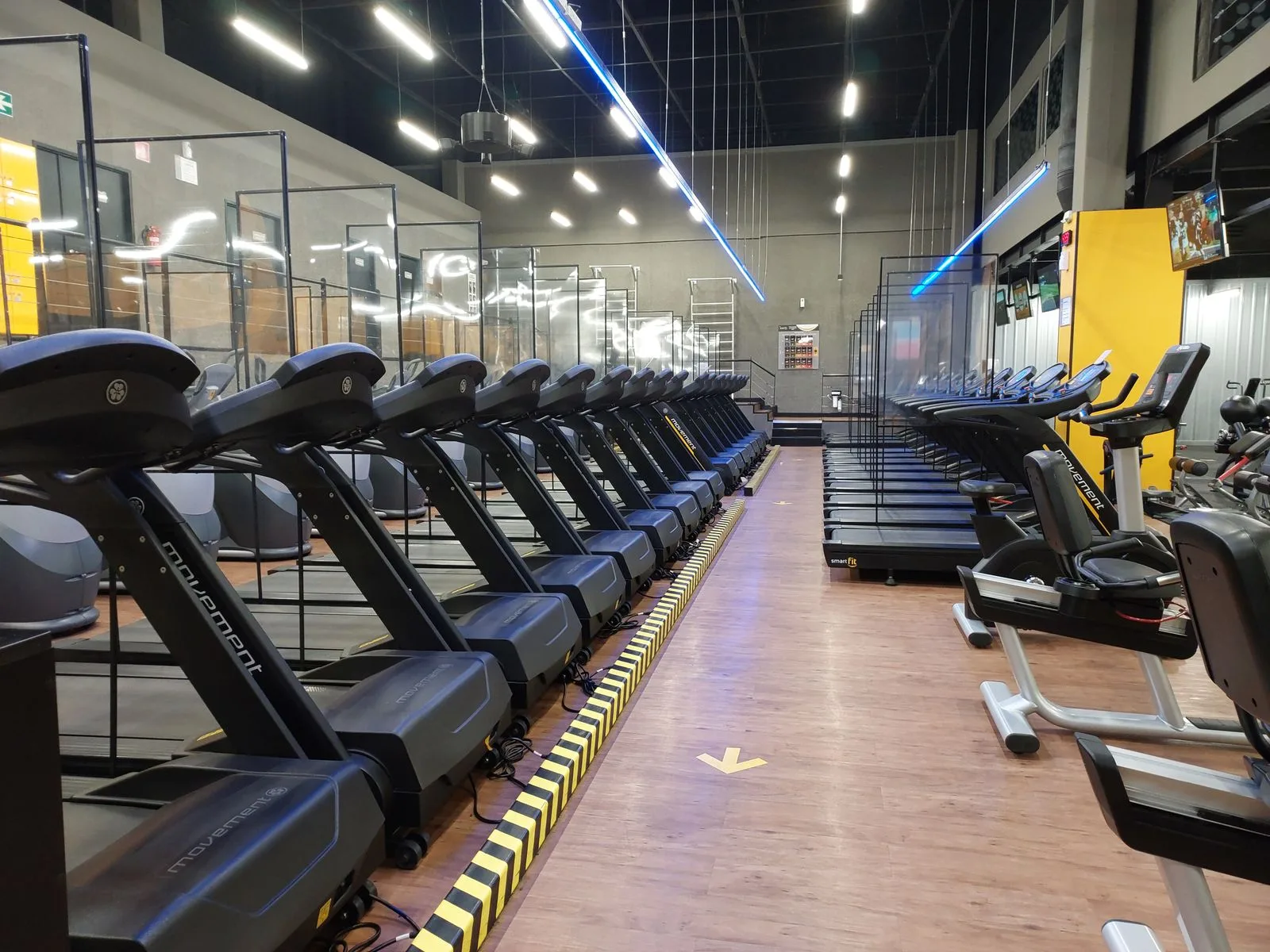 Open 7am to 9pm, every day — train when your week leaves a gap.
Cost: The Real Price Is the Membership You Don't Use
Most comparisons get cost wrong because they only compare the sticker price. The real cost is per visit, and per visit depends entirely on how often you go.
Class packs are usually priced per session or in limited bundles. The more you train, the more you pay, which quietly punishes consistency. An open gym membership is typically a flat monthly fee for unlimited access, so the cost per session drops every time you show up. Train twelve times a month on a flat membership and each visit costs a fraction of a single class. That is the arithmetic behind a flat-fee membership, and it is worth running against whatever class pack you are currently paying for.
But here's the number that actually matters: around 80% of New Year gym memberships go unused by mid-February. That's the genuine waste. Not the price of the plan, the price of the plan you stopped using. A membership you feel guilty about is a subscription to a worse version of yourself, and that's not a great position to pay for monthly.
So the cost question isn't "which is cheaper per session." It's "which one will you actually use." Flexibility and cost are the same conversation wearing different clothes. The format you use is always cheaper than the format you abandon. For an honest look at what a modern membership includes beyond the gym floor, see what a Pulse membership actually gives you.
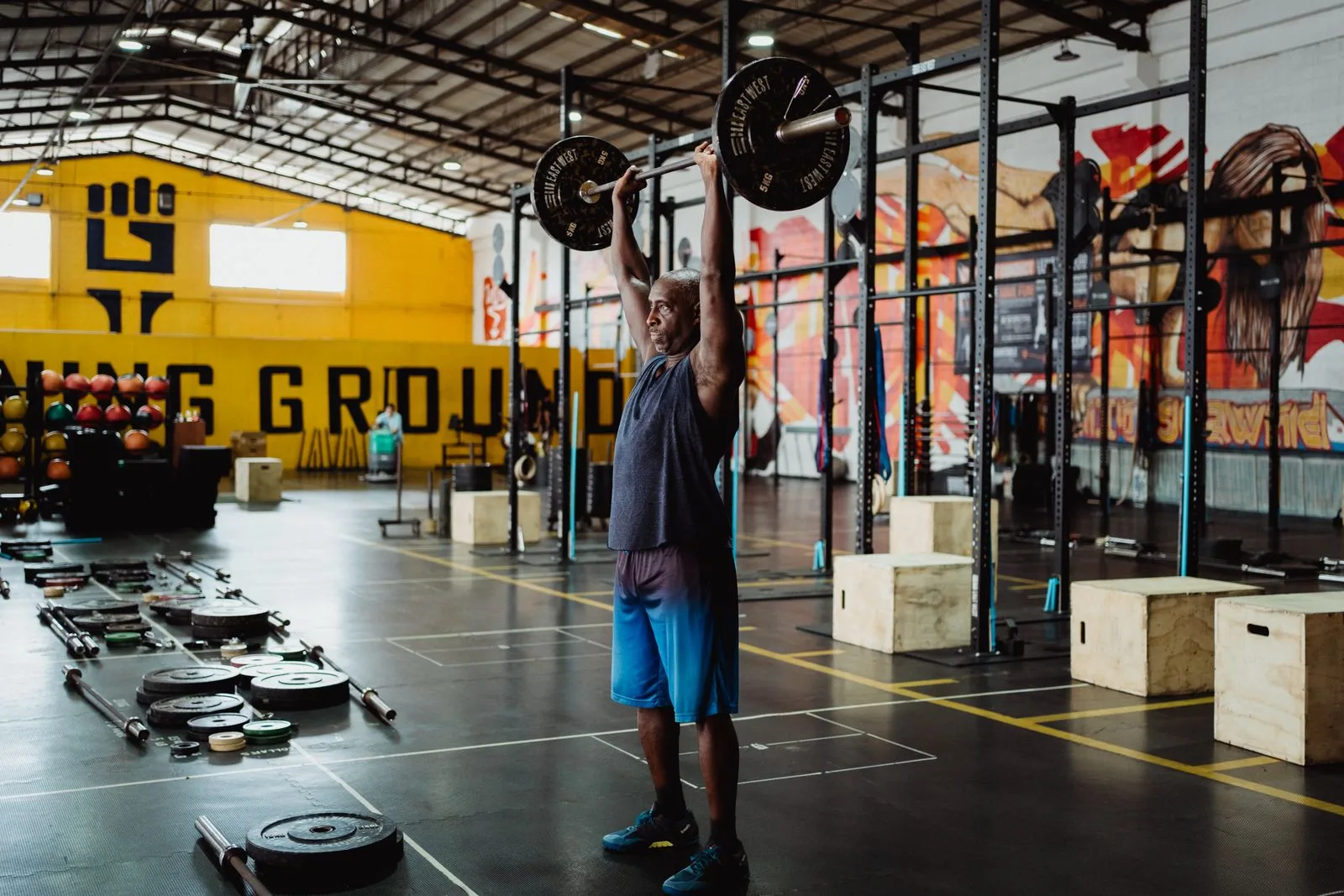 A flat membership rewards the visits you actually make.
Results: Where Real Progress Actually Comes From
Results don't care whether an instructor counted your reps. They come from consistent training, progressive load and adequate recovery, repeated over months. That mechanism is identical in an open gym and a class.
Where the two genuinely differ is the path to competence. Classes hand you a structure on day one, which is reassuring but can keep you dependent on the schedule. An open gym asks you to learn the equipment, then rewards you with progress you own. Modern kit makes this far less daunting than it used to be. Technogym machines, the same brand used by AC Milan and Olympic teams, are intuitive enough that you don't need a tutorial to start moving safely.
Consider Daniel, an architect, 41. Always vaguely active, never a strength trainer, because the gym floor felt like someone else's space. He didn't need a personal trainer. He needed equipment he could figure out himself without an audience. Six weeks of training alone at his own pace turned hesitation into a habit. He now talks about it at dinner, a thing he swore he'd never do.
The point worth holding on to: intensity is overrated, consistency is underrated. A session you do at 70% beats one you skip because you weren't feeling 100%. The hard part was never the gym. It was the decision to go, and good design shrinks that decision.
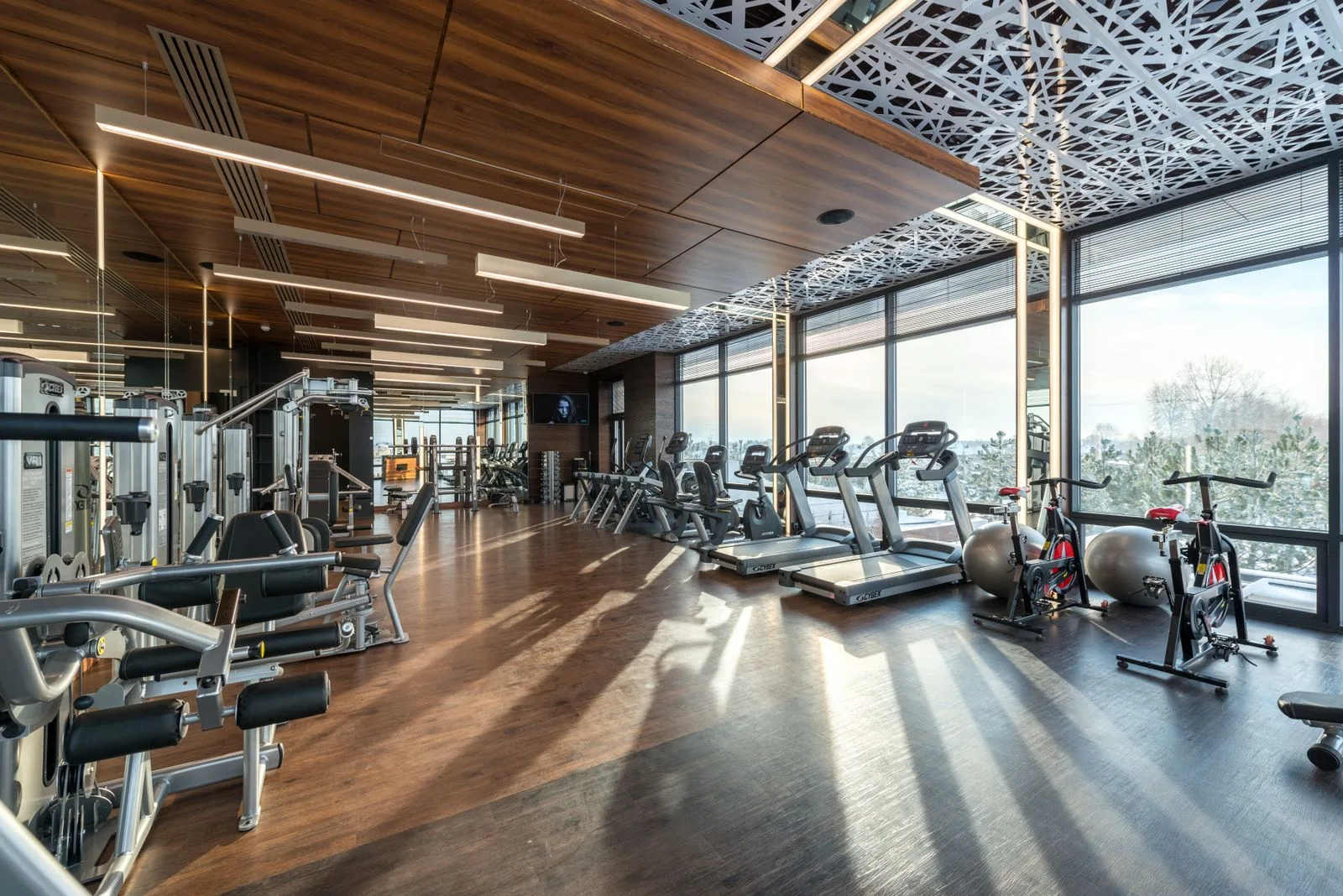 Progress you own: learn the floor, then keep showing up.
Community and Motivation: The Part People Worry About
The strongest case for classes is community. A group keeps you accountable, the energy carries you, and a set time you've booked is harder to skip. That's real, and for people who genuinely run on external accountability, it's a deciding factor.
But the assumption underneath the class argument is that open gyms are lonely. They don't have to be. The thing that makes a gym feel social isn't a class. It's scale. A members-only space small enough that you start recognising faces does what a packed class gym never does: it makes you a regular, not a number.
This matters more than it sounds. Social connection is a documented health factor, not a marketing line. Research led by Holt-Lunstad found that strong social ties are linked to a roughly 50% lower risk of early death, a mortality effect comparable to well-known risks like smoking. The gym you actually go to is the one where you feel recognised.
Julien, a French finance professional four years into life in Malta, had tried three gyms. All transactional, no regulars, no reason to linger. At Pulse the first conversation happened at The Admiral's Landing, looking out over the harbour. By week six he was introducing new members to people he'd met. On an island of 520,000, where everyone is three degrees apart, the right space turns that social density into the reason you keep coming back.
 A members-only floor makes you a regular, not a number.
Beginner-Friendliness: Which Format Is Less Intimidating
Conventional wisdom says beginners need classes. Sometimes that's right. A structured class removes decisions and gives you something to follow when you genuinely don't know where to start.
But classes carry their own beginner problem: the fear of being too slow, falling behind the room, or holding everyone up. For a lot of people, especially women and anyone returning after years away, that pressure is the barrier, not the solution. An open gym lets you start in a corner, at your own pace, with nobody timing you against a group.
Sofia, a marketing director of 44, learned this the hard way. She'd gone all-in on classes and running in her thirties, burned out at 42, and stopped everything. Her re-entry wasn't another class. It was a quiet space where she could use the sauna and the pool, then add the gym floor when she felt ready. No coach checking her programme, no class to keep up with. The absence of pressure was the thing that let her begin again.
If you're new and nervous, the honest answer is this: pick the format that lowers your anxiety, not the one a listicle told you beginners should choose. For many, that's a calm open gym with an optional induction, not a full room moving in unison.
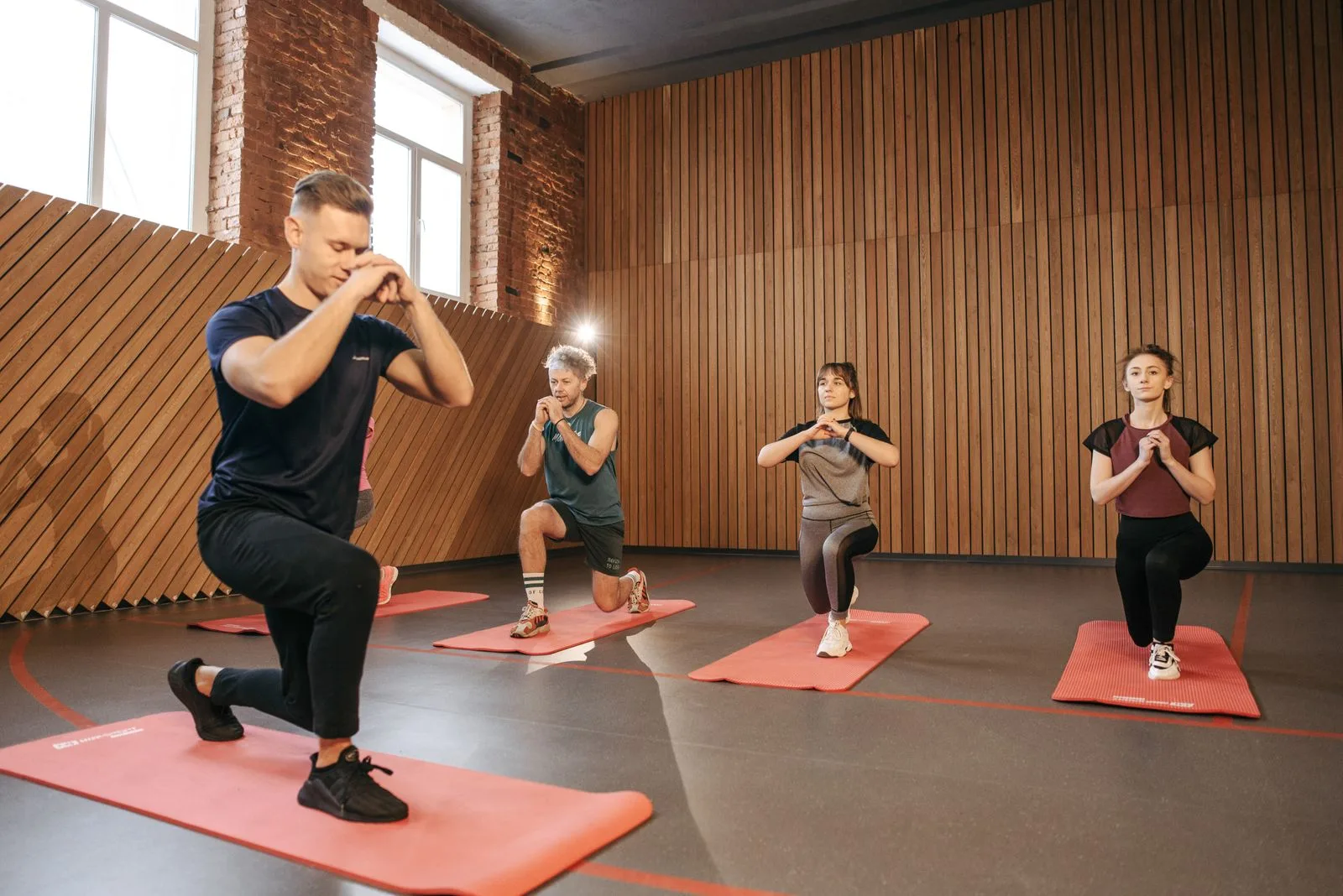 Start in a corner, at your own pace, with nobody timing you.
The Factor Both Comparisons Ignore: Recovery
Here's what the open-gym-vs-class debate almost always misses. Neither format means much if you skip the half of fitness that happens after the workout.
Muscle isn't built during the lift. It's built in the hours and days after. Cardiovascular benefit isn't captured during the run; it's captured in recovery. Treating sleep, sauna and genuine rest as optional extras is how people train hard and adapt slowly. Recovery isn't the thing you do after the workout. It's half the workout.
This is also where the longevity case gets concrete. Regular sauna use has some of the longest-running data in exercise-adjacent research. A 20-year Finnish cohort study by Laukkanen and colleagues linked frequent sauna use (4+ sessions a week) to roughly a 40% lower risk of cardiovascular mortality compared with once a week. That's not alternative wellness. That's cardiology, and almost no gym comparison mentions it.
A class timetable rarely builds in recovery. An open format with a proper recovery suite does, because the sauna, pool and stillness are part of the visit, not an afterthought stuck in a corner. The open floor and the recovery suite sit in the same building for exactly that reason. You decide whether today is a training day or a recovery day. Both serve the same goal. Neither needs an apology.
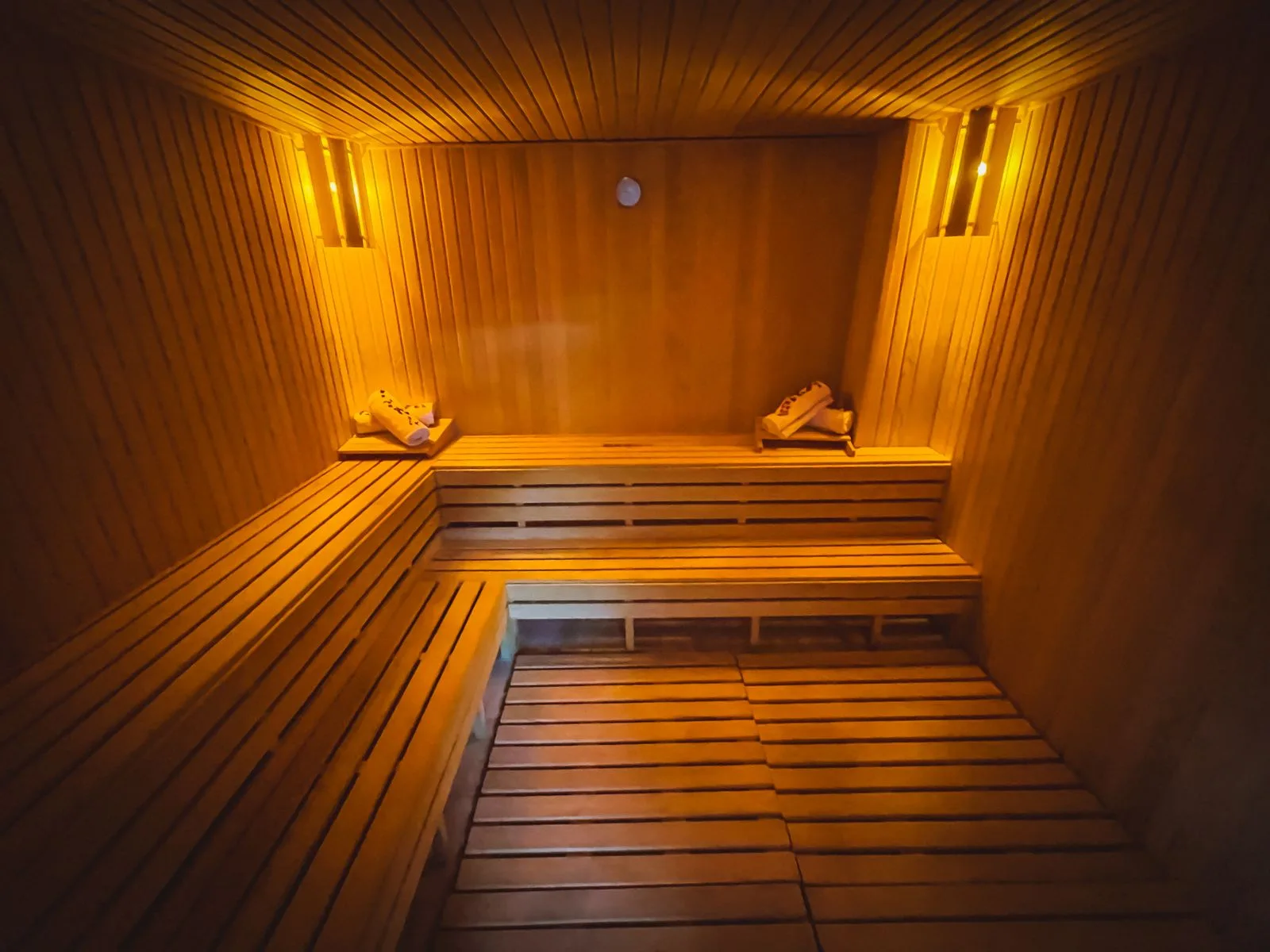 Recovery is half the workout — and it's part of the visit, not an extra.
FAQs: Open Gym vs Class Gym in Malta
Is an open gym better than a class gym?
Neither is universally better. An open gym suits people who want to train on their own schedule, at their own pace, without a fixed timetable. A class gym suits people who need a set time, an instructor and a group to show up for. The better format is simply the one that keeps you coming back consistently, because consistency, not the format, produces results.
What is an open gym?
An open gym is a self-directed format where you train whenever you arrive, using the equipment freely, with no class schedule to book or keep up with. You decide what your session looks like and how long it lasts. At Pulse in Malta, the open gym runs on Technogym equipment from 7am to 9pm, every day, so access fits around your week rather than dictating it.
Is an open gym good for beginners in Malta?
Yes, if the equipment is intuitive and the space isn't intimidating. Many beginners avoid class gyms because they fear being too slow or out of place in front of a group. A quiet, members-only open gym with self-guided Technogym machines lets you learn at your own pace. A one-off induction or a personal session can cover the basics without locking you into a class timetable.
Is an open gym cheaper than classes?
Often, yes, on a per-visit basis. Class packs are usually priced per session or in limited bundles, so the more you train the more it costs. An open gym membership is typically a flat monthly fee for unlimited access, so your cost per visit drops the more you use it. The real waste isn't the price of either, it's a membership you pay for and rarely use.
Can you get fit with an open gym without classes?
Yes. Results come from consistent training, progressive overload and recovery, not from whether a session is instructor-led. A self-directed strength and cardio routine, repeated three times a week over months, produces real change. Open gyms with recovery facilities like a sauna and pool also support the rest side of the equation, which is where adaptation actually happens.
Why do so many gym memberships go unused?
Around 80% of New Year gym memberships go unused by mid-February. The usual reasons are an inconvenient location, an intimidating atmosphere and a schedule that doesn't fit real life. People rarely fail at fitness because of willpower. They fail because the environment was wrong. Changing the environment, not the intention, is what actually fixes attendance.
Come and See Which One Fits
If any of this sounds familiar, the inconsistency, the wrong environment, the membership you feel guilty about, the most useful thing you can do is see the space for yourself. Not to be sold to. Just to find out whether an open, social gym fits the way your week actually runs.
Pulse Wellness Club sits in the Grand Hotel Excelsior in Floriana, seconds from Valletta, open 7am to 9pm, every day. Open gym floor, recovery suite, and a community small enough that people know your name. No class schedule to keep up with. The floor is yours.
Book a free visit to Pulse Wellness Club → pulsewellness.com
The first step is usually the one that takes the longest.
— The Pulse Team
Sources
- Holt-Lunstad J. et al. (2015), meta-analysis on social isolation and mortality risk, Perspectives on Psychological Science.
- Laukkanen T. et al. (2016), sauna use and cardiovascular mortality, 20-year Finnish cohort study, JAMA Internal Medicine.