To choose a gym in Malta, prioritise location over everything else, then ask whether the gym fits how you actually train — not how you plan to train. If you want the shorter version first, our guide to what makes a gym in Malta worth the price compares every type on the island side by side. Decide between class-dependent and self-directed formats, check what recovery facilities are included, and always visit before committing to more than a month. Malta's gym landscape is more varied than most people realise, and the wrong choice is easy to make.
Key Takeaways
- Location friction is the single biggest predictor of whether you will actually use a gym. Choose somewhere on a route you already travel.
- Class-dependent gyms require schedule alignment. Self-directed open gyms are more forgiving for unpredictable weeks.
- Recovery infrastructure (sauna, pool, jacuzzi) is not a luxury — it is the reason members stay past February.
- Malta gym prices range from roughly €25/month (budget) to €150/month (full wellness club with recovery suite).
- Any gym worth joining will offer a trial visit or short-term membership. If they will not, that tells you something.
- Gym-plus-pool combinations are rare in Malta and mostly concentrated in St. Julians. Floriana is the closest accessible alternative for Valletta commuters.
You have probably done this before. Signed up in January, used it three times, then quietly let the direct debit run until you felt guilty enough to cancel. You are not unusual. Industry research consistently finds that around 80% of gym memberships go effectively unused by mid-February. The problem is rarely motivation. It is usually a mismatch between what sounded good on the day you signed up and what actually works when your week gets difficult.
Malta makes this slightly harder. Traffic is slow. Parking is inconsistent. The island is small but not in a way that makes getting around easy. A gym that is 4km from your office can still take 25 minutes in peak-hour traffic — which means a gym that should be convenient becomes an excuse to skip.
This post is a straight guide to how to choose a gym in Malta that you will actually use, not just own a membership to. It covers what to ask, what most people overlook, and the one category of facility that most gym comparison articles in Malta never mention.
Why most gym choices in Malta go wrong
The most common mistake is choosing on price and facilities alone. Both matter, but neither predicts whether you will actually go.
What predicts attendance is friction. If the gym is somewhere you pass naturally — on your commute, near your office, next to somewhere you already go — you will use it. If it requires a deliberate separate trip, it competes directly with the sofa. This is not a character flaw. It is how habits work.
The second mistake is signing up for something aspirational. If you have never attended a gym regularly before, a 12-month contract at a CrossFit box assumes a version of you that does not exist yet. A programme-dependent class schedule assumes your calendar is predictable. Neither is usually true in the first three months.
The third mistake is ignoring the post-workout experience. Most people sprint out of the gym and straight into the rest of their day. That is fine. But if you are choosing a gym and you are dealing with stress, sleep issues, or a physically demanding job, recovery infrastructure — a sauna, a jacuzzi, a cool pool — is not a luxury addition. It becomes the reason you keep going.
The 6 questions to ask before you join any gym in Malta
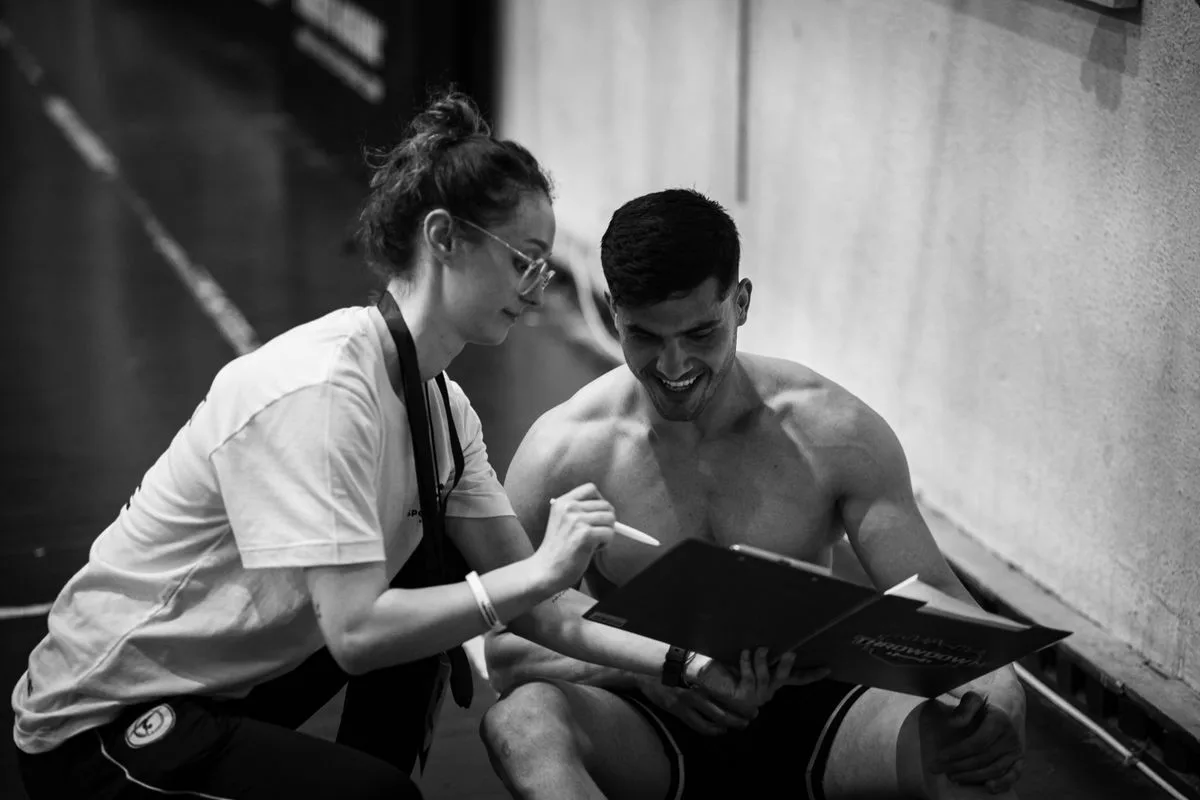 Photo by Ardit Mbrati / Pexels — The questions you ask before joining matter more than the ones you ask after.
1. Does the location actually fit how you live?
Not "is it near my house" — that is too vague. The question is: does this gym sit on a route I already travel?
If you work in Valletta and commute by bus, the Valletta Bus Terminus is where every single route on the island terminates. Every bus in Malta passes through it. A gym within walking distance of Valletta City Gate fits your commute. One in Sliema or St. Julians — where most of Malta's gym infrastructure is concentrated — requires a separate journey entirely.
If you drive, the calculation shifts. But in Malta during rush hour, 20 minutes of traffic between the gym and home is enough friction to make skipping feel rational.
2. Is it class-dependent or self-directed?
This distinction matters more than most gym comparison articles acknowledge.
Class-dependent gyms (anything with a fixed timetable — CrossFit, group HIIT, yoga studios) require you to show up at a specific time. That structure works well for people who need accountability. But it also means one meeting overrun, one school pickup change, one late lunch client, and you have missed your session for the day. If your schedule is unpredictable, class-heavy formats will frustrate you into quitting.
Self-directed gyms — open gym format, no class schedule, equipment available whenever you arrive — are more forgiving. You train when you can, not when the timetable allows. The tradeoff is that you need some idea of what to do when you walk in. That is addressable with a short introduction session or a basic programme. It is not an argument for class dependency.
3. What happens after the workout?
Most gyms end at the changing room door. You train, shower, leave.
Some facilities include recovery infrastructure: a sauna, a pool, a steam room, a jacuzzi. This matters for two reasons. First, physiologically — contrast therapy (heat followed by cold) is not a wellness trend. A 20-year Finnish cohort study of 2,315 middle-aged men, Laukkanen et al., JAMA Internal Medicine (2015), found that men who took four to seven sauna sessions a week had a 63% lower risk of sudden cardiac death than men who took one (hazard ratio 0.37), with similar associations for fatal coronary heart disease, fatal cardiovascular disease and all-cause mortality. Second, practically — a space where you want to spend time is one you will return to. A locker room you cannot wait to leave is not. If recovery facilities are the deciding factor for you, the gym with pool and sauna in Malta comparison covers every option on the island and what a heat-and-water session actually involves.
In Malta, the gym-plus-recovery combination is rarer than it should be. Most options require paying for a gym membership and a separate spa day package. It is worth knowing before you sign up whether the recovery suite is included or an extra.
4. How crowded does it get?
Ask directly. Better: visit at the time you intend to train.
Most gyms in Malta peak between 6am and 8am and again from 6pm to 8pm on weekdays. Saturdays are unpredictable. At high-volume gyms without membership caps, those windows mean queuing for equipment, adjusting your programme around what is free, and generally spending more time waiting than training.
Members-only facilities with controlled numbers are a different experience. You get in, you work, you leave. Or you use the sauna. You do not negotiate for a cable machine.
5. What does the pricing actually cover?
Malta gym prices range roughly as follows: budget 24-hour gyms from €25-30/month, mid-range gyms with equipment and classes from €50-65/month, premium clubs with pools and recovery suites from €84-150/month.
The number alone is not the metric. What matters is what is included. A gym charging €65/month for equipment-only is not cheaper than one charging €99/month with a pool, sauna, and jacuzzi included — if you would otherwise pay separately for any of those. For more detail on the full Malta pricing landscape, see our breakdown of how much gyms in Malta actually cost.
Check for joining fees. Check for minimum contract terms. Check whether the promotional rate changes after three months. These are the details that turn a reasonable monthly fee into an uncomfortable commitment. A facility willing to publish what a gym membership in Malta actually covers — tier by tier, with the access window stated — has already answered half of those questions before you ask.
6. Can you try it before you commit?
Any gym worth joining will let you. A visit, a day pass, or a short trial membership tells you more than any website or social media account.
Specifically, visit at peak time — not mid-Tuesday-morning when the place is empty. See what the changing rooms are actually like. Talk to one person who is already a member. Walk the floor. If a gym makes that process difficult, take note.
On the question of gym day passes in Malta — they exist, prices vary, and they are a reasonable way to test before committing, particularly for the higher-tier facilities.
The Malta-specific factor most people miss
Malta's climate is not a footnote in a gym decision — it is a primary variable.
June through September, temperatures regularly exceed 35°C. Humidity stays high. Safe outdoor exercise exists in a narrow window: before 8am, or after 7pm. Everything in between is, at best, uncomfortable and, at worst, a health risk.
This means a gym membership in Malta is not just a fitness decision. For much of the year it is the only realistic option for consistent physical activity. A gym that is too far away, too crowded at useful hours, or has no cooling infrastructure — no pool, no proper air conditioning — will see your attendance collapse in the exact months when you need it most.
This also explains why the mid-February dropout pattern is particularly sharp in Malta. January enthusiasm meets February reality: the commute is longer than expected, the class schedule does not fit, the post-work peak hour is genuinely unpleasant. The gyms that retain members through summer and into the following year are the ones that removed that friction.
One category worth knowing about: The wellness club
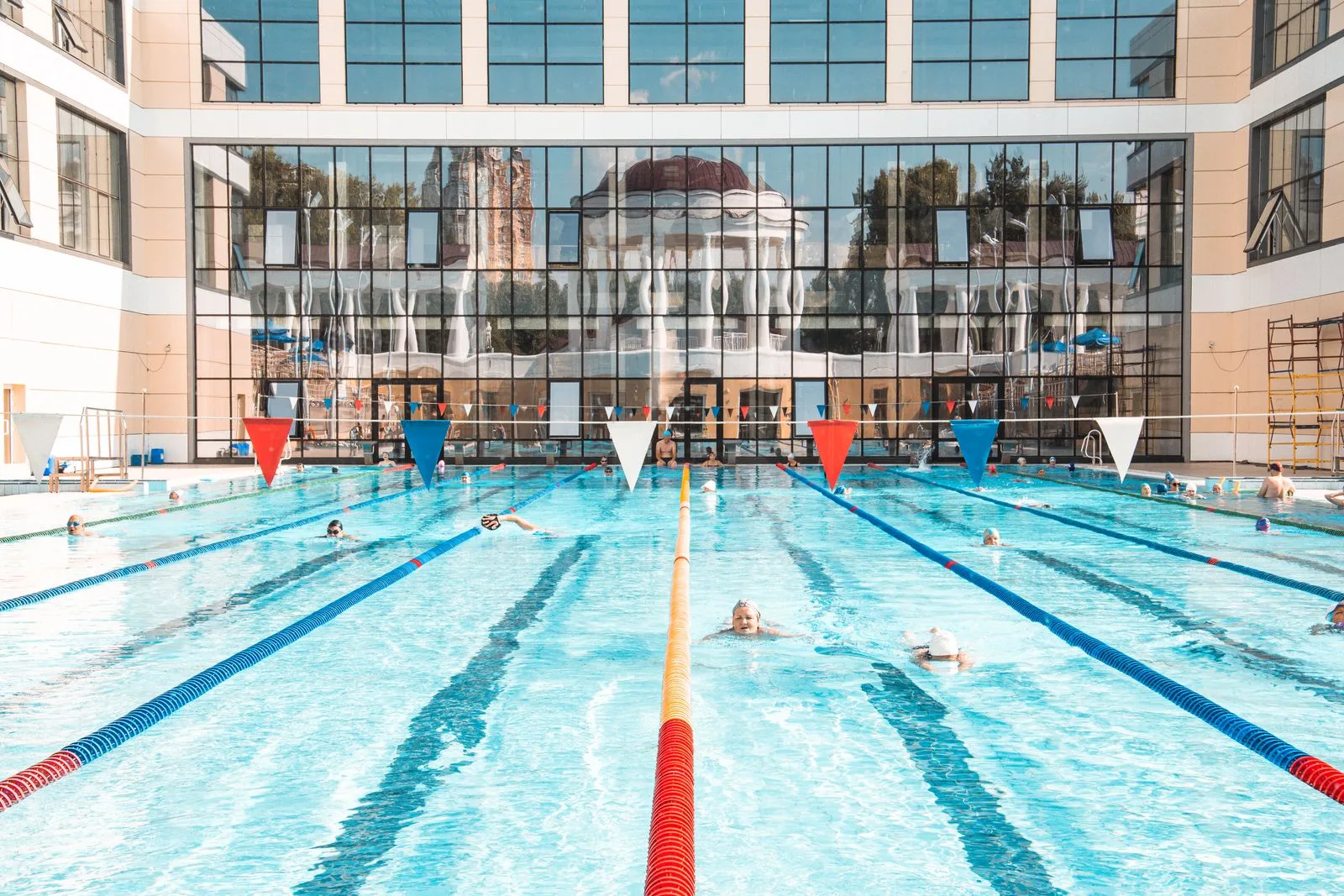 Photo by Катерина Ло / Pexels — A wellness club combines training with recovery, a combination that is genuinely rare in Malta.
Most gym comparison content in Malta treats all facilities as variations on the same theme: equipment, classes, changing rooms, maybe a pool.
There is a distinct category that most of those comparisons miss. A wellness club is not a gym with extras. It is a different model: open gym access, full recovery suite included (sauna, pool, jacuzzi), and a members-only environment designed around consistent use rather than peak volume. No class schedule pressuring you to show up at 6pm on a Tuesday. A co-working lounge. A lounge with a view out over the harbour. Somewhere you can actually spend time without feeling like you are in the way.
This format is common in Scandinavia, increasingly common in London, and almost entirely absent in Malta. Almost.
How the main gym formats in Malta compare:
| Feature | Traditional Gym | Class-Dependent Gym | Wellness Club |
|---|---|---|---|
| Equipment access | Open hours | Between classes | Open hours, members-only floor |
| Scheduling flexibility | High | Low — timetable-dependent | High |
| Recovery suite (sauna, pool, jacuzzi) | Rarely included | Rarely included | Core offering |
| Membership cap | Typically none | Often capped by class size | Typically capped |
| Monthly cost range | €25-65 | €50-100+ | €84-150 |
| Good for unpredictable schedules | Yes | No | Yes |
| Good for beginners | Varies | Yes (structure helps) | Yes (self-paced) |
| Air conditioning reliability | Varies | Varies | Generally high (pool environment) |
Prices last checked: August 2026.
Pulse Wellness Club in Floriana, seconds from Valletta City Gate, is built around the wellness club model. Technogym equipment — the same equipment used by AC Milan, FC Barcelona, and the Olympic Games. Finnish sauna. Indoor pool. Jacuzzi. Expert massage by the Carisma Spa team. Co-working lounge and Admiral's Landing, the club's lounge with views out over the harbour. Open 7am to 9pm, 365 days, 98 hours a week.
It is not a traditional gym. That distinction is deliberate. If you are comparing options in Malta and you have not seen what a full wellness-club format looks like in practice, it is worth knowing this category exists before you sign a 12-month contract at a facility that offers half of what you are actually looking for.
Worth checking too: who actually operates a club before you hand it a direct debit. Ownership, the group behind it, and who staffs the recovery side are all reasonable things to ask about, and the answers are rarely on the pricing page.
For a full comparison of gym types available in Malta, including what distinguishes best gyms in Malta for beginners from more advanced training environments, that context is worth reading alongside this guide.
FAQs about choosing a gym in Malta
How much does a gym membership cost in Malta?
Malta gym prices range widely. Budget 24-hour gyms start around €25-30/month. Mid-range gyms with equipment and some classes run €50-65/month. Premium facilities with pools, saunas, and recovery suites sit between €84 and €150/month. Joining fees and contract lock-ins vary significantly, so read the full terms before signing. Some gyms offer rolling monthly memberships with no minimum term, which is worth looking for if you are new to Malta or unsure of your routine.
Should I choose a gym near home or near work in Malta?
Near work usually wins. The logic is simple: a gym you pass on the way to or from work gets used. One that requires a separate car trip gets skipped. Malta traffic is genuinely slow, particularly in and around Valletta during peak hours. If you commute by bus, proximity to the Valletta Bus Terminus is worth prioritising — every route on the island passes through it, making Floriana and the Valletta area the most accessible point for most people on the island.
Is it worth getting a gym with a pool in Malta?
In most cases, yes. Malta summers run from June to September with temperatures regularly exceeding 35°C and high humidity. Outdoor exercise is effectively off-limits from mid-morning through early evening for much of the year. An indoor pool gives you a genuine training option in the heat, and the contrast between sauna heat and cool water has documented cardiovascular benefits. The problem is that gym-plus-pool combinations are rare in Malta and concentrated in St. Julians. If you are based near Valletta, your options are very limited without travelling 20-plus minutes.
What is the difference between a gym and a wellness club in Malta?
A traditional gym gives you equipment, possibly classes, and changing rooms. A wellness club adds recovery infrastructure: sauna, jacuzzi, pool — a place to decompress after training rather than heading straight back out. The distinction matters because recovery is where most physiological adaptation actually happens. Very few facilities in Malta offer the full combination. Most people end up choosing between a gym and a spa, rather than finding a single space that does both. If finding that single space is a priority, book a tour of the space to see the format in person before committing elsewhere.
Do Malta gyms have long contracts?
It varies. Some require 6 or 12-month commitments with a joining fee on top. Others operate on rolling monthly terms. The important things to check: what happens if you cancel, is there a notice period, and does the price change after a promotional period ends. If you are an expat on a short-term contract, or simply not sure how consistently you will use the gym, a monthly rolling membership or a short trial period is worth prioritising even if the monthly rate is slightly higher.
When is the best time to visit a gym in Malta to avoid crowds?
Peak times are 7-8am and 6-8pm on weekdays, matching the commute window. Mid-morning and mid-afternoon on weekdays are typically quieter. At busy gyms with no membership cap, peak-hour crowding is a real issue. If crowd levels affect how you train, ask about membership caps before you join. Some facilities cap numbers deliberately. Others do not — and you find out too late.
Are gyms in Malta air conditioned?
Most modern gyms in Malta have air conditioning, but quality varies significantly. During August, a poorly ventilated gym is genuinely unpleasant and can affect both performance and safety. Hotel-based facilities tend to have better HVAC infrastructure than standalone gyms. If you are choosing a gym and plan to use it through the Maltese summer, visiting on a warm day before joining is the most reliable way to assess this. Facilities with an indoor pool manage ambient temperature considerably better than dry-air gyms.
See Pulse Wellness Club before you decide
If you are still working out which gym in Malta fits your life, the easiest next step is to see a space in person. Pulse Wellness Club sits in Floriana, seconds from Valletta City Gate. Open gym, Technogym equipment, Finnish sauna, indoor pool, jacuzzi, co-working lounge and Admiral's Landing with its harbour view. No class schedule. Never crowded. Open 7am to 9pm, every day of the year.
Pulse Wellness Club membership: Off-Peak €69 per month, All Access €99 per month, VIP €149 per month. Every tier includes the full Technogym floor, indoor pool, Finnish sauna, jacuzzi, relaxation room and The Admiral's Landing lounge. VIP adds one expert massage by Carisma Spa each month. Come and look before you commit — book a tour of the space.